

A lot of dental wear happens quietly. Someone may wake up with a tight jaw, a dull headache near the temples, or a tooth that suddenly feels sensitive without realizing the pressure built overnight.
That is where nightguards for teeth can help. They are not a cure for every source of jaw pain or tooth damage, but they can play an important protective role when grinding or clenching is part of the problem.
In practice, the pattern is often familiar. A patient comes in after a partner hears grinding at night, or after a front tooth chips during a normal breakfast.
An exam may show flattened biting edges, tiny enamel cracks, or sore jaw muscles. The key question is not whether everyone needs a nightguard, but whether the teeth, muscles, and jaw joint are showing signs of overload.
At Davis Dental in Jonesboro, AR, our general dentistry services include the exams and evaluations that help determine whether a nightguard is right for you.
A nightguard is a removable appliance worn over the teeth during sleep. Its main job is to create a protective barrier between the upper and lower teeth, which can reduce wear from grinding and clenching during sleep.
That matters because the force from clenching can be surprisingly strong. Over time, it may flatten enamel, chip dental work such as fillings or crowns, irritate the jaw muscles, and sometimes increase tooth sensitivity.
A nightguard may also help spread biting forces more evenly. For some patients, that means less morning muscle soreness or fewer episodes of waking up with a clenched jaw.
Still, a guard is not a universal fix. If pain is coming from an untreated cavity, a cracked tooth, gum disease, sinus pressure, or a temporomandibular joint disorder, a nightguard alone may not solve it.
When the joint or muscles are a major part of the issue, targeted TMJ treatment may be needed along with a protective appliance.
Some signs are easy to notice, and others show up only during a dental exam. Many patients do not know they grind until a dentist points out the wear pattern.
Possible clues include worn, flattened, or chipped teeth, especially when the damage seems greater than expected for your age. Teeth may also become more sensitive to cold if enamel has thinned.
Jaw tightness on waking is another common sign. Some patients describe tiredness when chewing breakfast, tenderness near the cheeks, or headaches centered around the temples.
Dental work can also reveal the pattern. Repeated fractures of fillings, crowns, veneers, or bonding may suggest that nighttime forces are higher than the teeth can comfortably handle, and that damage often requires restorative dentistry along with protection.
None of these signs proves that grinding is the only cause. Persistent pain, sudden bite changes, or one specific tooth that hurts with pressure should be evaluated directly rather than assumed to be a grinding issue.
Teeth grinding, also called bruxism, usually has more than one cause. Stress and muscle tension are common contributors, but they are not the whole story.
Sleep quality can also matter. In some cases, grinding is linked with disrupted sleep, airway concerns, or sleep disorders, which is why a careful history is more useful than guessing.
Bite factors may play a role for some patients, though they are rarely the only explanation. Caffeine, alcohol, and nicotine may also make clenching worse in some people, especially during stressful periods.
That is why a good dental visit looks beyond the appliance itself. The best approach is to protect the teeth while also considering why the overload is happening in the first place.
Patients often compare custom and over-the-counter options first, and that makes sense. The biggest differences usually come down to fit, comfort, durability, and how well the guard matches the bite.
A custom nightguard from a dentist is made from an impression or digital scan of the teeth. That usually means better retention, more even contact, and less bulk in the mouth.
A properly timed visit to general dentistry helps ensure the guard is designed for your actual bite. That matters when the goal is long-term protection, not just temporary coverage.
Store-bought guards are easier to access and cost less upfront. Some are soft and ready to wear, while others are heated and molded at home.
That convenience has limits. A poor fit may feel bulky, fall out during sleep, irritate the gums, or in some cases affect how the teeth meet if used long term without supervision.
Store-bought guards can be useful as a short-term option, but they are usually not the best long-term answer when fit and protection really matter.
Here is a practical comparison:
| Feature | Custom Nightguard | Store-Bought Nightguard |
| Fit | Made for the exact teeth and bite | General fit, often less precise |
| Comfort | Usually better for overnight wear | May feel bulky or uneven |
| Durability | Often stronger and longer lasting | May wear out faster |
| Monitoring | Dentist can assess whether it is helping | No built-in professional follow-up |
| Best use | Ongoing protection and complex cases | Temporary trial in select mild cases |
In most cases, a custom guard is the better long-term choice when there is visible wear, broken dental work, jaw symptoms, or uncertainty about the diagnosis. A cheaper guard may seem efficient at first, but replacing it repeatedly or wearing one that does not fit well can create new problems.
Not all nightguards are made from the same material. Some are soft and flexible, while others are firm acrylic or layered designs.
A soft guard may feel easier to tolerate at first. For some patients with mild clenching or a strong gag reflex, that can improve comfort and consistency.
A hard guard is often preferred when grinding is heavier or when the bite needs more controlled, stable contact. It may also hold up better over time.
The best material depends on the clinical picture. Someone with severe wear, multiple crowns, or strong jaw muscles may need a different design than someone with occasional tension and minimal enamel damage.
A nightguard should follow an exam, not replace one. Before recommending a guard, a dentist may check for wear facets, cracks, loose fillings, gum recession, and tender areas.
The bite is also important. The goal is not just to make something that covers the teeth, but to create an appliance that works with the way the jaws meet and move.
Jaw muscles and the temporomandibular joints may be checked for tenderness, clicking, limited opening, or asymmetry. These findings help show whether the problem is mainly muscle overload, tooth damage, joint irritation, or a mix of issues.
In some cases, X-rays or other tests are needed. That is especially true when pain is limited to one tooth, when chewing causes sharp discomfort, or when a crack, infection, or deep decay is possible.
Nightguards tend to help most when there is a clear pattern of tooth wear from nighttime grinding or repeated clenching. They are also useful when crowns, veneers, implants, or bonding need protection from heavy forces.
Some patients notice fewer morning headaches or less facial muscle fatigue after starting one. Others mainly benefit because the guard reduces further chipping and slows mechanical damage to the teeth.
That difference matters. Even when symptoms do not disappear completely, preventing more wear can still be a meaningful success.
This is especially important for adults who have already lost some enamel. Enamel does not grow back, so protecting what remains is often a practical goal.
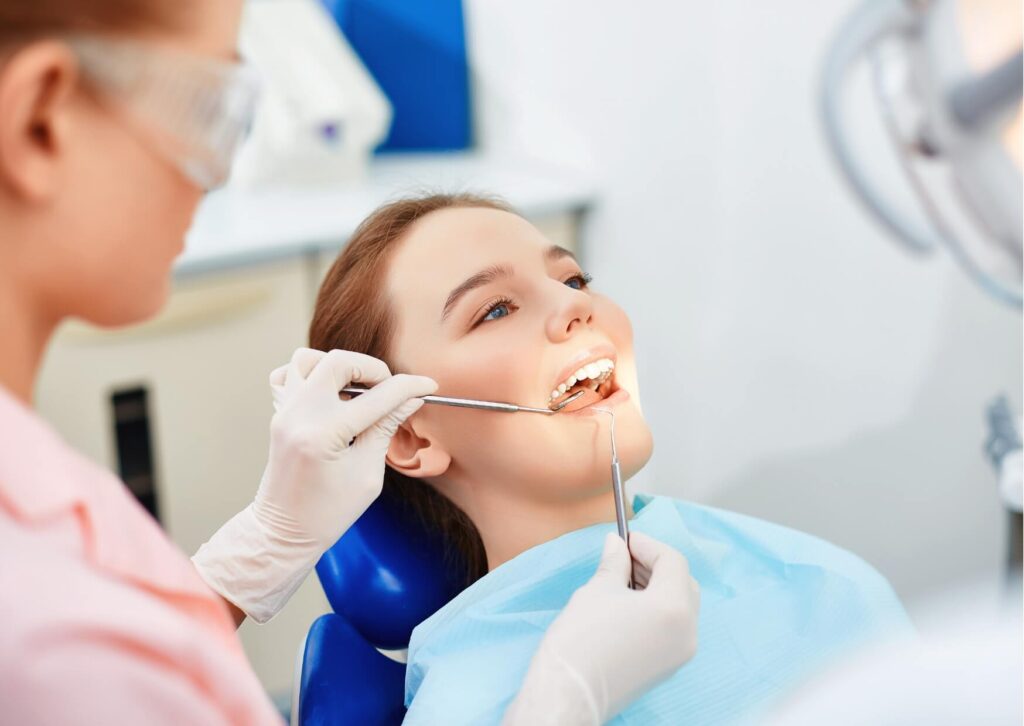
Not every painful tooth or sore jaw should be managed with a nightguard and watchful waiting. Some symptoms suggest a problem that needs prompt attention.
Arrange a dental evaluation soon if there is severe tooth pain, facial swelling, fever, or trouble opening the mouth. A cracked tooth, dental infection, abscess, or advanced joint problem may need urgent care.
Faster assessment is also important when one tooth suddenly feels high, the bite changes noticeably, or pain wakes you from sleep. Those patterns can point to something more specific than routine clenching.
If jaw pain comes with chest pain, shortness of breath, or other concerning whole-body symptoms, seek immediate medical care. Not all facial or jaw pain starts in the teeth.
A nightguard should be kept clean and dry between uses. Rinse it after wearing, clean it as directed by the dental office, and store it in a ventilated case rather than a sealed container.
Heat can distort the material, so do not leave it in a hot car or clean it with very hot water. If the guard starts to smell, feels rough, or fits differently, it should be checked.
Bring the appliance to routine dental visits. Wear marks, cracks, and fit changes can show whether it is still protecting the teeth properly or whether the bite has changed over time.
A nightguard cannot repair a cavity, reverse gum disease, or treat an infected tooth. It also cannot reliably diagnose whether pain is coming from the muscles, the joint, the teeth, or a non-dental source.
It may reduce damage, but it does not always stop grinding itself. Some patients still generate strong muscle activity while wearing a guard, which is why follow-up matters.
That is also why one-size-fits-all online advice can miss the mark. The safest path is to use a nightguard as part of a diagnosis and protection plan, not as a substitute for one.
If your teeth are showing wear, your jaw feels overworked in the morning, or dental work keeps breaking, a properly fitted guard may be a smart next step. A dental exam through our general dentistry services can confirm whether nightguards for teeth fit your situation and whether anything more urgent is being missed before the damage becomes harder to reverse.
At Davis Dental in Jonesboro, our general dentistry team evaluates grinding and fits custom nightguards for patients from Jonesboro and nearby Paragould. Call us at (870) 932-0330 to schedule.
Not always. A nightguard mainly protects the teeth and may reduce the effects of grinding, but it does not necessarily stop the muscle activity behind it.
It depends on the material, fit, and how strongly a person clenches or grinds. Some last for years, while heavy wear can shorten their lifespan.
A properly made and monitored guard is designed to avoid unwanted bite changes. An ill-fitting appliance, especially one used long term without dental supervision, may create problems.
It may be acceptable as a short-term option in some mild cases, but it is usually not the best long-term choice when there is pain, visible wear, broken restorations, or uncertainty about the diagnosis.
Sometimes, but not automatically. Because children are still growing and the bite changes over time, a dentist should decide whether a guard is appropriate and what type is safest.