

A missing tooth changes more than a smile. It can affect how food is chewed, how words sound, and the quiet confidence that comes from not thinking about your teeth at all. For some people, the gap is in the back and mostly hidden. For others, it is front and center, affecting work, photos, and everyday conversation.
That is why conversations about dental implants pros and cons become personal very quickly. One patient may want the strongest replacement possible. Another may be more concerned about surgery, healing time, or cost. A good decision usually starts with understanding how implants work, where they shine, where they fall short, and what alternatives may fit better in real life.
If you are considering dental implants in Jonesboro, AR, Davis Dental can help you review your options and weigh the pros and cons based on your needs. Our team works with patients from Jonesboro and surrounding communities to provide personalized implant care and treatment planning.
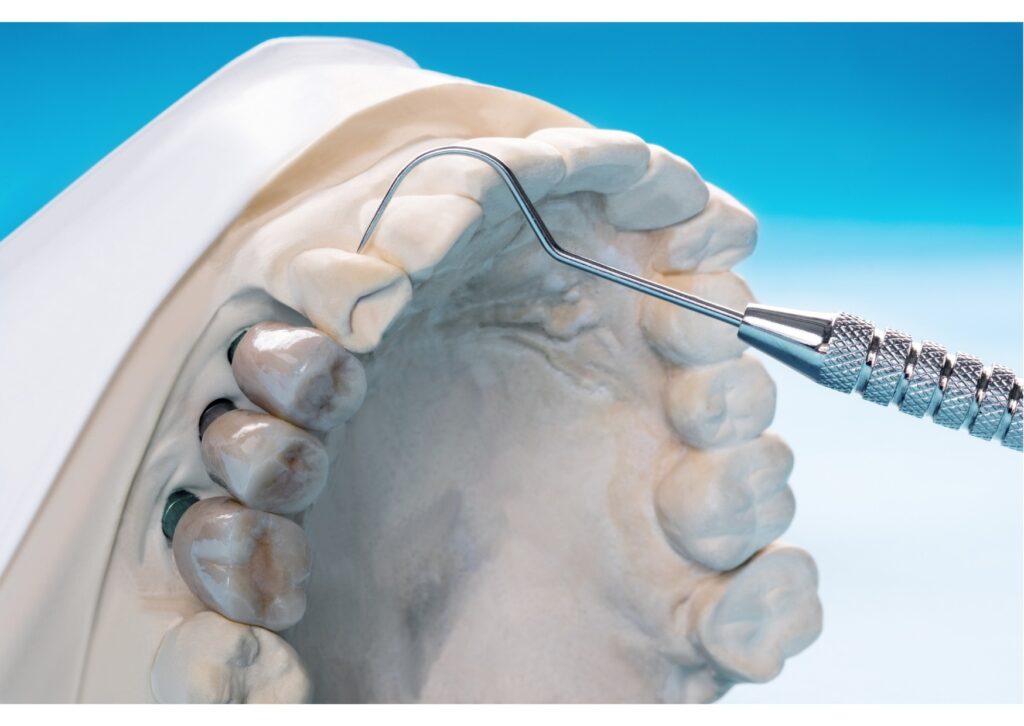
A dental implant is a small post, usually made of titanium or another biocompatible material, placed into the jawbone to act like an artificial tooth root. After healing, a connector piece called an abutment is attached, and then a crown is placed on top to look and function like a natural tooth.
The key idea is stability. Unlike a removable denture that sits on the gums, or a bridge that depends on neighboring teeth for support, an implant is anchored in bone. That design is one reason many dentists consider implants a strong option for replacing one missing tooth, several teeth, or even supporting a full arch in selected cases.
A term that often comes up is osseointegration. This simply means the implant surface bonds with the surrounding bone during healing. When that process goes well, the implant can become very secure.
One of the biggest benefits is that implants can feel closer to natural teeth than many other replacements. Because they are fixed in place, they often provide a firm bite and a more predictable chewing experience. Many patients describe this as the point when they stop planning meals around one side of the mouth.
Appearance also matters. A well-made implant crown can blend naturally with nearby teeth, especially when the gum shape and tooth color are carefully planned. In visible areas, that can make a real difference in how comfortable a person feels speaking or smiling.
Another major advantage is that implants do not usually require grinding down adjacent healthy teeth the way a traditional bridge often does. Preserving natural tooth structure is important. In dentistry, keeping healthy enamel and dentin intact is usually a sound long-term principle.
There is also a bone-related benefit. After a tooth is lost, the jawbone in that area may shrink over time because it is no longer being stimulated by a tooth root. Dental implants can help preserve the jawbone by transmitting chewing forces into the bone. They do not prevent every change, but they may reduce the collapse that often follows tooth loss.
The strongest argument against implants is not that they are ineffective. It is that they usually ask more from the patient up front. Implant treatment often involves surgery, healing time, multiple visits, and a higher initial cost than many alternatives.
Surgery can sound routine in a dental office, but it is still surgery. That means swelling, soreness, and a recovery period are normal. Some cases are straightforward, while others become more complex if bone grafting is needed. A bone graft is a procedure used to build up bone volume when the jaw has become too thin or too short for stable implant placement.
Time is another factor. In some situations, a tooth can be removed and an implant placed quickly. In others, the process may take months because the site needs to heal or the implant needs time to integrate with bone before the final crown is made. For a patient hoping for a fast fix, that timeline can feel frustrating.
Cost is often the deciding issue. Implants usually cost more upfront than bridges or dentures, and insurance coverage varies widely. The higher fee reflects surgery, materials, imaging, lab work, and the planning needed to make the result stable and esthetic. Even when the long-term value is good, the initial financial barrier is real.
There are also risks. Implants can fail to integrate, become loose, develop gum and bone inflammation, or have mechanical problems such as screw loosening or crown fracture. These problems are not guaranteed, but they should be part of an honest discussion.
Many healthy adults with one or more missing teeth may be candidates for implants, but candidacy is never based on the gap alone. The dentist or specialist also looks at bone volume, gum health, bite forces, medical history, smoking status, and daily oral hygiene.
Healthy gums matter because implants need a clean, stable environment. If there is untreated periodontal disease, which is infection and inflammation affecting the gums and supporting bone, that problem usually needs attention first. Placing an implant into an unhealthy mouth can compromise the outcome.
Bone quality matters too. Some patients have enough bone for straightforward placement, while others may need grafting or may be better served by another option. Three-dimensional imaging is often used to assess nearby structures such as nerves and the sinus.
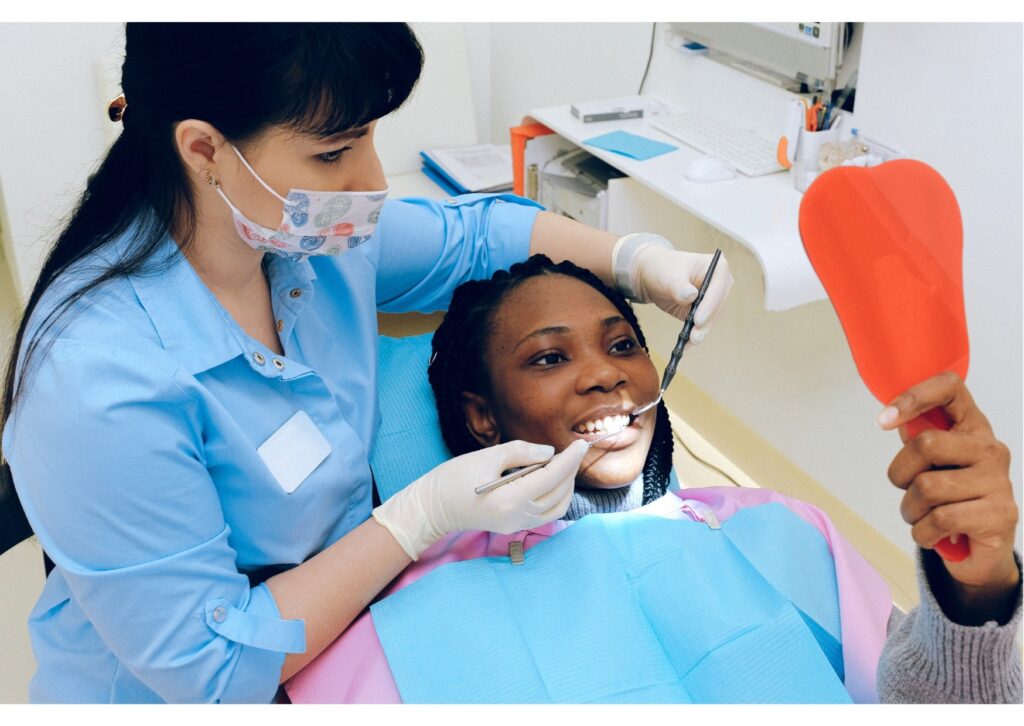
A clinical exam and routine imaging available through our general dentistry team are an important first step to confirm candidacy and plan treatment.
Medical conditions do not automatically rule implants out, but they can affect planning and healing. Diabetes that is not well controlled, immune suppression, prior radiation to the jaws, certain bone-related medications, and heavy tobacco use may increase implant risks. These situations deserve a careful, individualized discussion rather than a quick yes or no.
Sometimes the issue is anatomy. If bone is very limited, the sinus is low, or important nerves are close to the planned site, implant treatment may become more invasive or less predictable. That does not always mean impossible, but it may shift the balance away from implants.
Sometimes the issue is maintenance. Implants are not immune to disease. They can develop peri-implant disease, which is inflammation and infection around an implant. If a patient struggles with regular brushing, flossing, professional cleanings, or periodontal care, an implant may not be the low-maintenance answer it is often assumed to be.
And sometimes the issue is simply priorities. A removable partial denture or a conventional bridge may be more realistic if speed, budget, or avoiding surgery matters most. In dentistry, the best treatment is not always the most advanced one. It is the one that fits the mouth, the health history, and the person living with it.
Patients rarely ask about implants in isolation. More often, the real question is whether implants are better than a bridge or denture for a specific pattern of missing teeth. The answer depends on what matters most.
| Option | Main Strengths | Main Limitations | Often Best For |
| Dental implant | Feels stable, helps preserve bone, does not usually rely on neighboring teeth | Higher upfront cost, surgery, longer treatment time | One missing tooth or selected multi-tooth cases where long-term stability matters |
| Dental bridge | Faster than many implant cases, fixed in place, no implant surgery | Often requires reshaping adjacent teeth, does not replace the root, bone loss may continue under the gap | Patients who want a fixed option and have suitable neighboring teeth |
| Removable denture or partial | Lower initial cost, non-surgical, can replace multiple teeth | Can move during eating or speaking, may feel bulky, bone loss can continue | Patients needing a practical replacement with lower upfront cost |
A bridge can be an excellent restoration in the right case. So can a partial denture. For patients weighing long-term structure and function against cost and invasiveness, a consultation with our restorative dentistry team can clarify which option fits best.
Most people can return to normal daily routines fairly quickly after implant placement, but healing under the surface takes longer. The gum tissue may settle in days to weeks, while the bond between the implant and bone develops over a longer period. During that time, follow-up matters.
The final result depends not only on placement, but also on maintenance. Implants still need daily cleaning and regular dental visits. Plaque, which is the sticky bacterial film that builds on teeth and restorations, can inflame the surrounding tissues if it is not removed consistently.
Nighttime grinding or clenching can also affect implant restorations. In some cases, a dentist may recommend protective measures if bite forces are high. That is not because implants are weak, but because they do not have the same shock-absorbing ligament that natural teeth do.
Long-term success is usually a partnership. Good planning, careful surgery, well-designed restorations, and patient maintenance all matter.
Some tenderness, swelling, and mild bleeding can be expected after implant surgery, depending on the procedure performed. What matters is the pattern. Symptoms should generally move in the direction of improvement, not steadily worsen.
A prompt dental review is important if there is increasing pain, facial swelling, pus, fever, a foul taste, or an implant that feels mobile. These findings may suggest infection, poor healing, or a mechanical problem. They do not always mean implant failure, but they should not be ignored.
Later complications can also occur. Bleeding gums around an implant, persistent bad breath, discomfort when chewing, or gum recession around the crown may point to peri-implant inflammation or a bite issue. Early evaluation often gives more options than waiting until bone loss becomes advanced.
Urgent care is especially important after recent surgery if swelling affects swallowing, breathing, or the ability to open the mouth normally. Those symptoms go beyond routine post-procedure discomfort and need immediate attention.
When patients ask whether implants are worth it, the question is rarely about price alone. It is usually about whether the result will justify the disruption, healing, and investment over time.
In many cases, implants offer strong long-term value because they can function well for many years and may help preserve nearby structures. But the value is not identical for every patient. If a bridge can predictably solve the problem with less surgery and lower cost, that may be the better value in that situation.
It is also worth asking what future maintenance may look like. Crowns, dentures, bridges, and implants can all require repair or replacement over time. A realistic financial conversation should include the full treatment plan, possible adjunctive procedures such as grafting, and the expected maintenance burden.
A good consultation should leave room for questions, not just a treatment quote. Patients often benefit from asking:
Those questions do more than gather facts. They reveal how carefully the case is being planned and whether the recommendation truly fits the mouth rather than the menu of procedures.
The most honest way to view dental implants pros and cons is this: implants can be an excellent solution, but they are not a shortcut and they are not automatically the right answer for every missing tooth. Their strengths are real. So are their demands.
For the right patient, an implant can restore chewing, support appearance, and provide a sense of permanence that other options may not match. For another patient, a bridge or denture may be the wiser choice because it better fits the anatomy, health history, timeline, or budget.
That is where dentistry is at its best. Not in selling one treatment as universally superior, but in matching biology, mechanics, and human priorities with care. If a tooth is missing or needs to be removed, a dental evaluation can help clarify which option is safest, most predictable, and most practical for the long term.
If you are weighing the pros and cons and want clear guidance tailored to your needs, our team at Davis Dental in Jonesboro, AR is here to help. Whether you are missing a single tooth or exploring full-mouth restoration options, we can evaluate your oral health, explain your treatment choices, and create a plan that fits your goals and budget.
Call Davis Dental today at (870) 932-0330 to schedule your consultation and take the next step toward restoring your smile with confidence.
Not always. Implants may offer better bone support and usually do not require reshaping neighboring teeth, but bridges can be faster, less invasive, and very effective in the right case.
Many implants can last for many years, especially with good oral hygiene, regular professional care, and stable gum health. Longevity varies based on health factors, bite forces, smoking, and maintenance.
Discomfort during and after treatment varies by procedure and by patient. Many people describe the recovery as manageable, but soreness and swelling are common after surgery. Severe or worsening symptoms should be reviewed by a dentist.
No. Some patients are excellent candidates, while others may need gum treatment, bone grafting, or a different tooth replacement option. A clinical exam and imaging are usually needed to decide safely.
For many patients, the biggest drawbacks are cost, surgery, and the time required to complete treatment. In some cases, anatomy or medical factors also make implant treatment less predictable.