

A missing tooth often begins as a small, private inconvenience. A smile changes in photos, chewing shifts to one side, and a once-simple meal starts to require planning. Then comes the practical question that stops many people in their tracks: what is the cost of dental implants, and why does it seem to vary so much from one office to another?
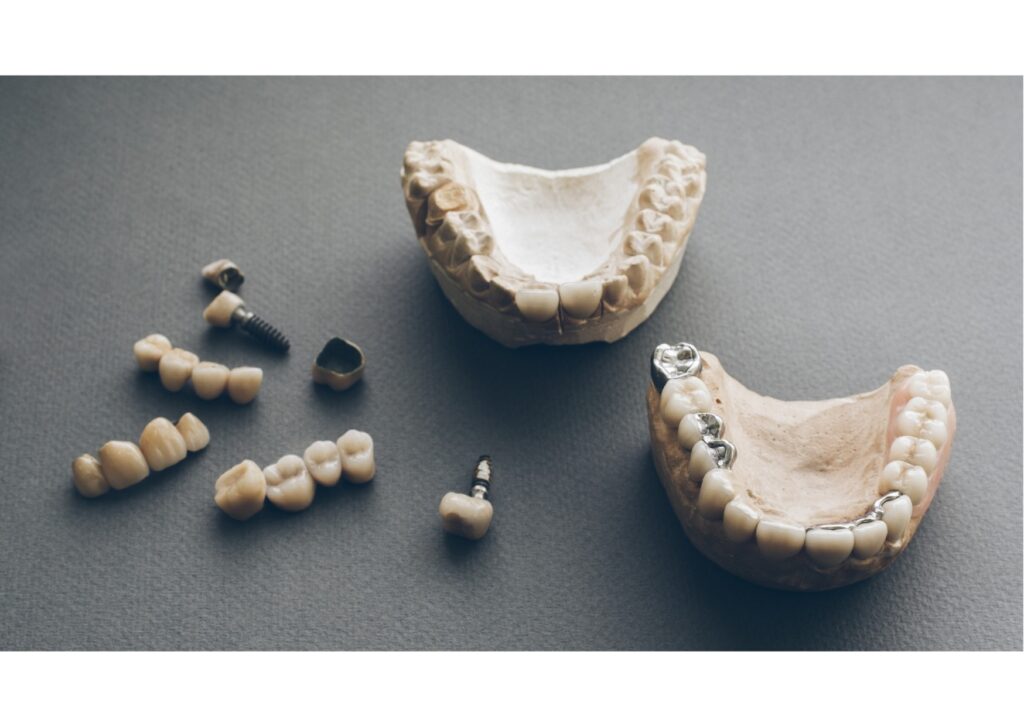
The short answer is that an implant is not a single item. It is a treatment process. In most cases, the fee reflects several parts working together: diagnosis, planning, the implant post placed in the jaw, healing time, the connector piece called an abutment, and the final crown or replacement tooth. When people compare prices, they are often comparing very different treatment plans.
That is why the most useful question is not only “How much is a dental implant?” but also “What is included, what is not included, and what does my mouth need for a safe, long-term result?” A lower quote may be reasonable in one situation, while in another it may leave out important steps. A higher fee may reflect added complexity, advanced imaging, bone rebuilding, or the experience of the treating team.
At Davis Dental, patients in Jonesboro and nearby communities can receive clear guidance about dental implants, including itemized estimates and whether grafting or alternative treatments may be necessary.
Dental implants are customized care. The cost can change based on the number of teeth being replaced, the condition of the jawbone and gums, the location of the tooth, and whether extra procedures are needed before the implant can be placed.
A front tooth, for example, may require more detailed cosmetic planning because even small differences in gum shape and crown position are visible when speaking or smiling. A molar may be less visible, but it handles heavier chewing forces. Both situations can be straightforward, but they are not identical.
Office location also matters. Fees in a major city or high-cost region are often different from fees in a smaller community. The training of the clinician, the technology used, the quality of the implant system, and whether treatment is completed by one office or shared between a surgeon and a restorative dentist can also influence the total.
One of the biggest sources of confusion is that many patients are given a number without enough context. Implant treatment is best understood as a sequence, not a sticker price.
A typical implant estimate may include some or all of the following:
| Part of Treatment | What It Means |
| Consultation and exam | Review of symptoms, oral health, medical history, and treatment options, often provided through our general dentistry services |
| Imaging | Often includes dental X-rays and sometimes a 3D scan called a CBCT, which helps evaluate bone and nearby structures |
| Implant placement | Surgical placement of the titanium or ceramic implant post into the jawbone |
| Healing phase | Time for the bone to attach to the implant, a process called osseointegration |
| Abutment | The connector that links the implant to the final crown |
| Crown or implant tooth | The visible replacement tooth designed for chewing and appearance, typically falling under restorative dentistry care |
| Follow-up visits | Monitoring healing, fit, bite, and tissue response |
Not every office bundles these items the same way. Some quotes include the full process from start to finish. Others list only the surgical placement fee and leave out the crown, imaging, sedation, or follow-up care. That is why asking for an itemized treatment plan is not being difficult. It is being careful.
A clear estimate should also identify whether temporary teeth, lab fees, or specialist fees are separate. An itemized treatment plan makes comparison much more meaningful.
Many people who need implants have been missing a tooth for a while. When that happens, the jawbone in that area may shrink over time because it is no longer being stimulated by a tooth root. Gum disease, infection, trauma, and long-term tooth loss can make this more likely.
If the bone is too thin or too short, a dentist or specialist may recommend grafting. A bone graft is a procedure used to rebuild or support the jawbone so the implant has a better foundation. In the upper back jaw, a sinus lift may sometimes be needed if the sinus space sits too close to where the implant should go.
Other factors can add cost as well. These may include tooth extraction, treatment of active gum disease, replacement of failing dental work nearby, temporary restorations, or sedation. None of these automatically mean something is wrong or unusually complicated. They simply reflect the reality that implant treatment depends on the condition of the whole area, not just the empty space.
This is also where very low advertised prices deserve caution. If a quote sounds dramatically lower than others, it may not include the procedures that many real patients eventually need.
The cost of dental implants changes significantly depending on the scope of treatment.
A single implant usually involves one implant post, one abutment, and one crown.
This is often what people picture when they first research implants. It can be an excellent option when the teeth next to the gap are healthy and do not need crowns.
When multiple teeth are missing, treatment may involve several implants or a bridge supported by implants.
In some cases, two implants can support more than two replacement teeth, depending on the location and bite forces. That can change the total cost and the long-term maintenance plan.
Full-arch treatment replaces all upper or all lower teeth using a limited number of implants to support a fixed prosthesis, meaning a non-removable set of teeth placed by the dental team.
This is usually more complex than replacing one tooth, but often less expensive than placing an individual implant for every missing tooth. It also requires detailed planning for bite, speech, cleaning access, and appearance.
Because these options solve different problems, price comparisons only make sense when the treatment goals are the same.

Much of implant dentistry happens before the final tooth is ever seen. Careful planning helps reduce surprises. A 3D scan can show bone shape, nerve position, sinus anatomy, and the angle needed for a stable result. Digital design, surgical guides, and high-quality lab work can add cost, but they may also improve precision and support successful osseointegration, the process where the implant bonds with the jawbone over time.
Material choices matter too. The implant itself is commonly made from titanium, a material widely used because it is strong and generally biocompatible, meaning it is usually accepted well by the body. The final crown may be made from different ceramics or other restorative materials depending on the location, bite, and cosmetic needs.
Experience also has value, although it should not be confused with marketing. An office that routinely handles complex implant cases may be better equipped to identify risks early, coordinate specialists, and manage complications if they arise. That does not mean the highest fee is always the best choice. It does mean that price alone is a weak tool for judging quality.
Dental insurance coverage for implants varies widely. Some plans help with part of the process, such as the crown, extraction, or imaging, while others provide little or no implant coverage. Medical insurance may sometimes contribute if tooth loss is related to trauma, pathology, or major reconstructive needs, but this is highly case-specific.
It is reasonable to ask the dental office for a pre-treatment estimate, a breakdown of expected out-of-pocket costs, and whether outside financing is available. Just keep in mind that insurance benefits do not determine what treatment is clinically best. They only determine what a plan may help pay for.
One practical approach is to ask three direct questions: What is included in this quote? What might be added later if healing or bone conditions require it? What are the alternatives if an implant is not the best fit right now? Those answers are often more useful than a single headline number.
Implants are a strong option, but they are not the only option. A traditional bridge may cost less upfront and can work well in the right situation, especially if neighboring teeth already need crowns. A removable partial denture may also restore function at a lower initial cost, though it may feel less stable and may require more adjustment over time.
The best choice depends on bone support, gum health, bite forces, medical history, budget, and personal priorities. Some patients value a fixed tooth that feels closer to a natural tooth. Others prioritize lower immediate cost or want to avoid surgery. A good dental evaluation should make room for those preferences without pressure.
The most responsible treatment conversations are the ones that compare benefits, tradeoffs, maintenance, and likely longevity honestly. Dentistry is not just about replacing a tooth. It is about choosing a solution that fits the mouth and the person living with it.
Cost matters, but symptoms should not be ignored while comparing prices. If a missing or failing tooth is associated with swelling, drainage, bad taste, fever, worsening pain, or rapid changes in the gums, a prompt dental evaluation is important. These may be signs of infection or another condition that needs attention before implant planning.
Other reasons to schedule an exam soon include a loose tooth, a broken tooth at the gumline, difficulty chewing on one side, or a denture that suddenly fits poorly after a recent extraction. Persistent bleeding gums, untreated gum disease, and smoking history can also affect implant success and should be discussed early.
Swelling, drainage, or fever should not be treated as routine implant-shopping issues. They call for diagnosis first, then treatment planning.
If you are comparing offices, ask for the same core information from each one:
These questions help shift the conversation from sales language to clinical clarity. That is where patients usually make better decisions.
A thoughtful implant consultation should leave you understanding not just the price, but the reason for the plan. If the explanation feels vague, rushed, or overly promotional, it is reasonable to seek another opinion.
If you are considering dental implants and want a clear understanding of your options, our team at Davis Dental is here to help. We provide personalized implant evaluations, detailed treatment explanations, and itemized estimates so you can make confident decisions about your care. Call (870) 932-0330 today to schedule your consultation and learn more about the cost of dental implants in Jonesboro, AR.
Implants involve surgery, detailed planning, healing time, and custom restorative work. They also aim to replace the tooth root, not just the visible tooth, which can help preserve function and jawbone over time.
Not always, but it can mean the quote is incomplete. The safest approach is to ask exactly what is included and whether additional procedures are likely.
For many patients, they can be. The answer depends on oral health, goals, budget, and whether an implant is the most appropriate option for the specific situation.
Sometimes. In some cases, immediate placement is possible, but it depends on infection, bone support, gum condition, and bite factors. A dentist or specialist needs to evaluate whether it is safe and predictable based on immediate placement criteria.
Ask about other evidence-based options, such as a bridge or removable prosthesis, and whether treatment can be staged. Delaying care without a plan may allow shifting teeth, bite problems, or bone loss to progress.